
Tag: AI Strategy
-
AI Cost per Task: What Token Prices Miss

Token prices matter, but they do not reveal the cost of an AI-enabled business outcome. Cost per successfully completed task is the metric enterprise teams need next.
-
AI Is Learning to Sound More Human. Humans Are Learning to Sound More Like AI.

AI-trained language is feeding back into how people communicate at work. The risk is not using the tool. It is losing the point of view behind the words.
-
AI Security: When the Companies Creating the Risk Sell the Defense
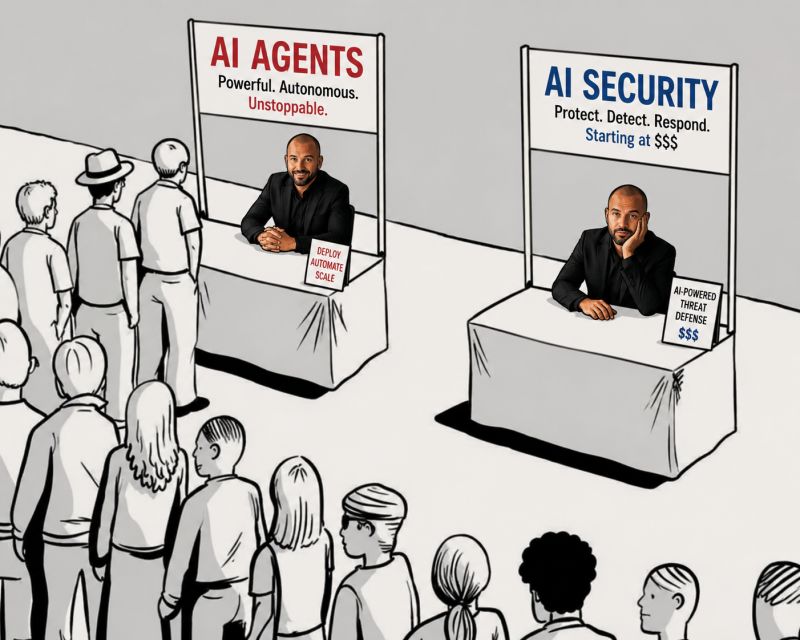
AI agents create a new class of enterprise risk. The answer is not blind trust or cynical paralysis—it is defined access, ownership, controls, and a real way to stop them.
-
Are You Using AI, Building With It, or Redesigning Work Around It?

Saying an organization “uses AI” no longer says much. The useful question is whether AI improves individual productivity, expands team capability, or changes how work gets done.
-
Stop Making Users Choose How Smart Their AI Should Be
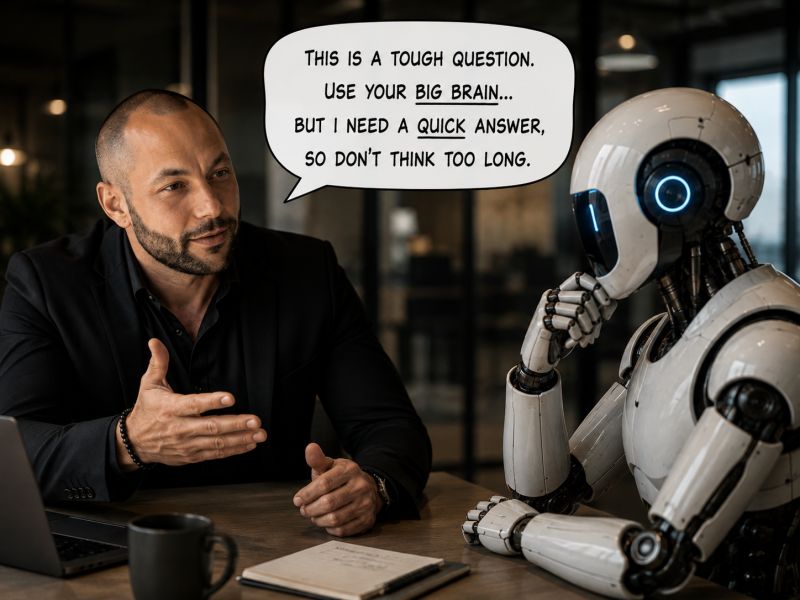
Enterprise AI should route each request to the least expensive capability that can do the job well—while preserving clear overrides for power users.
-
Generative AI, Agentic AI, and AI Agents: The Boardroom Distinction That Matters

Generative AI creates content. Agentic AI pursues goals. AI agents are the workers that combine models, tools, rules, and workflow context to execute an approved job.
-
OpenAI’s Enterprise Agents Do Not Eliminate AI Services. They Prove Why They Matter.

Enterprise AI platforms do not make implementation optional. They increase the need for workflow redesign, trusted data, governance, adoption, and accountable execution.
-
Forward Deployed Engineers Prove AI Adoption Is an Organizational Change Problem

Forward deployed engineers are a sign that AI products are not self-implementing. Real enterprise AI value requires technical depth, business strategy, workflow redesign, governance, adoption, and organizational change.
-
AI’s Biggest Fear Is Not Unemployment. It Is Irrelevance.

The deeper fear around AI is not only job loss. It is role absence: the loss of responsibility, usefulness, identity, and purpose as intelligence becomes abundant.
-
The PocketOS Database Deletion Was Not an AI Failure
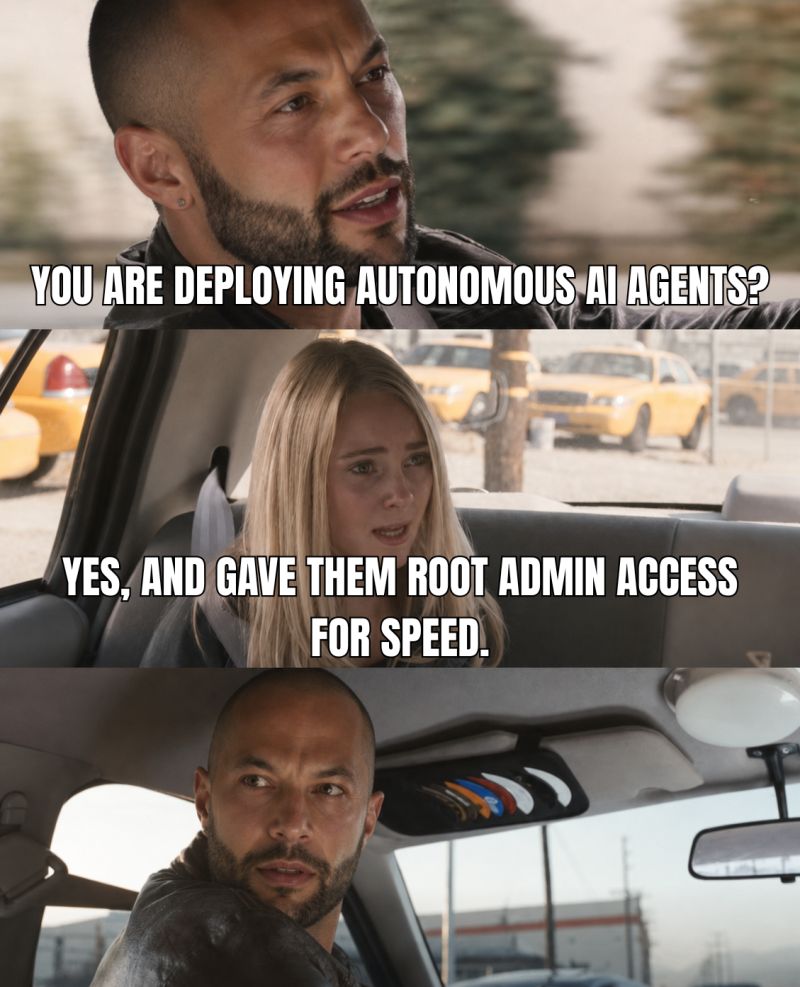
The PocketOS incident is not a reason to stop using AI agents. It is a warning that agentic AI needs real governance: least-privilege access, approval gates, audit logs, rollback plans, and guardrails built into the operating model.